 Odolog
How Much Does Your Car Really Cost? Working Out Cost per Mile
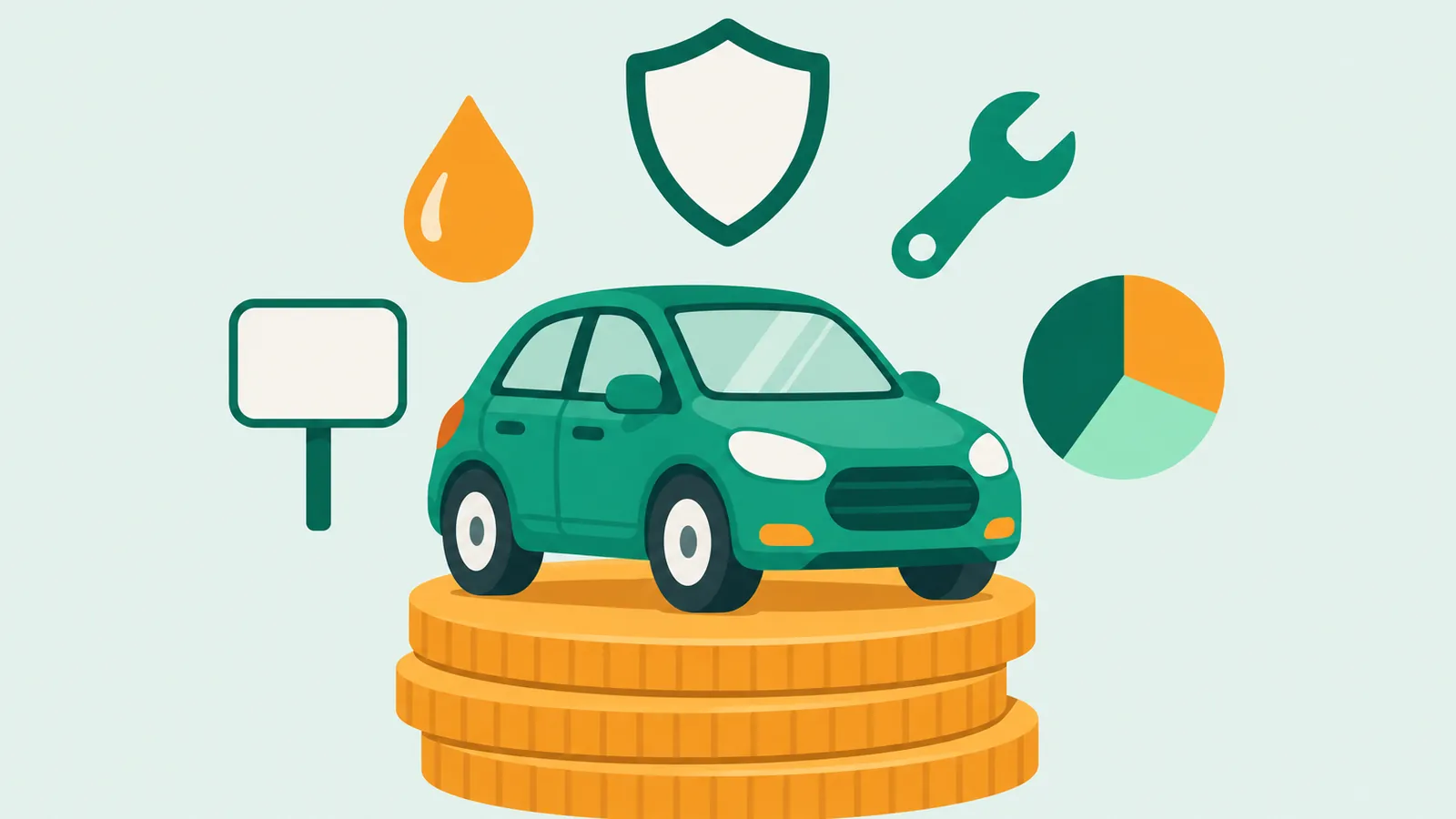
Ask most drivers what their car costs and they'll name the fuel bill, maybe the insurance. The real figure is usually much higher, because the biggest costs are spread out: an annual insurance renewal, a set of tires every few years, the value the car quietly loses every month.
Knowing your true cost per mile (or per km) helps you budget, compare cars, decide whether a big repair is worth it, and claim business mileage correctly. Here's how to work it out.
Everything that goes into the cost
Car costs fall into two groups: running costs that rise with every mile, and ownership costs you pay even if the car never moves.
Running costs
- Fuel or charging
- Maintenance: oil changes, filters, brake pads, fluids
- Tires
- Repairs that aren't routine
- Tolls and parking for trips
Ownership costs
- Depreciation: the value the car loses each year, often the largest single cost on a newer car
- Insurance
- Finance: the interest on a car loan (not the repayments themselves, which are partly buying the car)
- Registration, road tax and inspections
- Home or work parking permits and garage rent
- Breakdown cover, extended warranties, cleaning, accessories, fines
The formula
Use a period of at least six months, ideally a year, so annual bills like insurance are included at their real weight.
Worked example
A driver covers 12,000 miles in a year and spends:
| Cost | Amount |
|---|---|
| Fuel | $1,850 |
| Insurance | $1,400 |
| Maintenance and repairs | $620 |
| Parking and tolls | $380 |
| Registration | $150 |
| Total cash spent | $4,400 |
| Depreciation (estimated) | $2,500 |
| True cost | $6,900 |
Fuel was only about 27% of the true cost. That surprise is typical, and it's why a car that's cheap to fuel isn't always cheap to own.
Estimating depreciation
Depreciation isn't a bill, so it's easy to ignore, but it's real money: it's the difference between what you paid and what you'll get when you sell. To estimate it, look up what your car is worth today on a valuation site or in classified listings for the same model, age and mileage, and compare with a year ago. New cars typically lose value fastest in their first few years; older cars lose less each year, which is one reason keeping a reliable older car is often the cheapest option.
Spread big bills fairly
A $700 set of tires that lasts four years costs $175 a year, not $700 in the year you bought them. When you compare months, expect spikes when annual and occasional bills land; that's why a year-long view, or a yearly average, gives the honest number.
What to do with the number
- Budget properly. Divide your yearly true cost by 12 and set that aside each month, so the insurance renewal or a timing belt doesn't come as a shock.
- Repair or replace? If a $1,500 repair keeps a paid-off car running for another two years, compare that with the depreciation, interest and higher insurance on a replacement.
- Compare cars before you buy. Use your own mileage with each car's real fuel economy, insurance quote, and typical depreciation.
- Price a trip. Multiply the trip distance by your running cost per mile (fuel, tires and maintenance) to see if driving beats the train.
- Spot problems. A rising fuel cost per mile with the same driving can mean a mechanical issue; see what affects fuel economy.
Business mileage
If you use your own car for work, many tax authorities let you claim either a fixed rate per mile or km, or a share of your actual costs. Either way you need a record of business trips with dates, distances and purpose. The fixed rates change, so check your tax authority's current figure rather than relying on last year's. Knowing your true cost per mile also tells you whether a fixed-rate claim or an employer's mileage allowance actually covers what the car costs you.
Tracking it without a spreadsheet
The hard part isn't the maths, it's capturing every cost. Receipts get lost, and parking or tolls rarely get written down. The easiest habit is to log each cost the moment you pay it, on the phone you paid with.
Odolog splits your spending into fuel, service and other expenses (insurance, parking, tolls, registration, tax, cleaning, fines and more), and shows your monthly spending, where the money goes, and your cost per mile or km for the last month, year or all time. Trips can be marked business or personal for mileage claims, and everything exports to a CSV spreadsheet. Want to keep maintenance costs down too? Start with a sensible maintenance schedule.